Fantasy football opener kicks off season of betting
One in every ten college students could be classed a pathological gambler, and sportbooks have fantasy to thank.
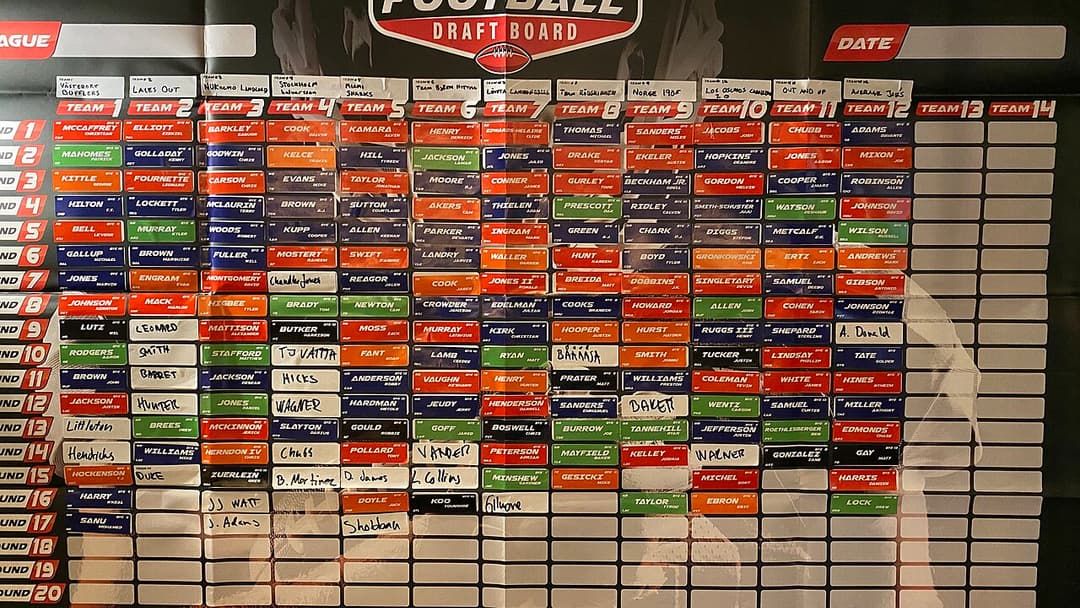
While many fantasy managers recruited and held their drafts over the last month, mounting gambling scandals have dominated the headlines in the sports world. In what might come as a shock to fantasy fanatics, the modern day sports betting climate would have been impossible without fantasy sports.
Now, one in every ten college students could be classed a pathological gambler, and arguably, sportsbooks have fantasy to thank for that popularity across the country.
“The biggest increases in gambling participation have been among young, educated men,” Keith Whyte, executive director of the National Council on Problem Gambling, told TIME Magazine. “The closer you are to college, the more likely you are to bet [on] sports.”
The Transformation of Fantasy Sports
Both fantasy sports and sports betting are rapidly growing industries — with the latter claiming 22% of Americans and half of men aged 18-45. Fantasy football itself is a time-honored tradition, celebrated by an estimated 9% of the US adult population and claiming the lion’s share of fantasy sports revenue in the country. While gambling can be traced back to the roots of human history, fantasy football is comparably younger, invented in 1962 by an owner of the Oakland Raiders.
Unlike sports betting, the traditional fantasy football season has relatively little potential for moneymaking. Groups of fans join together to draft players and compete head-to-head for points, hosting their own championships with prize-money for winners and “punishments” for losers. The advent of online fantasy in the ‘90s through companies like Yahoo and ESPN brought an advertising windfall for both businesses, but the real innovation was yet to come until the 21st century.
Daily fantasy sports in earnest arrived in 2009 with the founding of FanDuel. Unlike traditional fantasy sports, daily fantasy involved shorter timeframes and mandatory entry fees, with fantasy companies controlling the pot and taking their own cut of championship winnings. Daily fantasy was a multi-billion dollar industry by 2016, particularly attracting college-aged men.
Daily fantasy companies like FanDuel, PrizePicks and DraftKings quickly found themselves in the sights of US law enforcement and defended their products as “legal games of skill” distinct from gambling, all while attracting millions of players and billions of dollars in valuation.
“We look at it and say it’s not gambling,” DraftKings finance executive Matt King told PBS Frontline, “it’s an entertainment product.”
After the Supreme Court struck down the Professional and Amateur Sports Protection Act in 2018, allowing sports betting to be legalized across the country, daily fantasy companies no longer had a reason to shy away from gambling. FanDuel and DraftKings both announced betting offerings in August of that year, issuing advertising blitzes and converting existing customers into bettors.
Even in states with bans on gambling, sportsbooks like DraftKings and Fanatics have opened prediction markets, exploiting a federal loophole distinguishing the trade of prediction “contracts” from traditional gambling.
In the Present Day
Fast-forward to 2026 and 6% of college-aged Americans report losing over $500 in a single day of betting on apps that previously hosted non-gambling “legal games of skill.” In that same timeframe, sports betting headlines have come to dominate the news cycle.
Earlier in the year, Texas Tech QB Brendan Sorsby was banned from the NCAA, NFL and CFL for betting on his own team’s games. Criminal investigations continue into former Cleveland Guardians pitchers Emmanuel Clase and Luis Ortiz, once stars in the MLB, for rigging their own pitches to win bets.
Just this week, the five major US sports leagues and their players’ unions issued a letter urging state gambling associations to crack down on gamblers’ harassment of players. Even in amateur sports, one in three athletes report harassment and threats by bettors. All five pro leagues still have partnerships with gambling companies.
DraftKings alone, once a fantasy company, has sportsbook sponsorships with the NFL, NBA, MLB and UFC and tens of individual team sponsorships across pro sports — including a deal with the Guardians.
Players of traditional fantasy football may go the whole season without spending a cent, but they can’t avoid sportsbook marketing during game broadcasts, on analyst coverage and even in the fantasy apps they use. ESPN Fantasy regularly features ads for ESPN Bet, the company’s sports betting app, and other fantasy apps like Sleeper and Underdog already include prop bets, parleys and prediction markets.
While proposed regulations of the sports betting industry in Congress have gone nowhere, it remains to be seen whether the industry can continue the same trajectory going forward. Industry analysts project massive growth in sports gambling, to almost a quarter of a trillion dollars internationally by 2033.
So, as fantasy managers tune into games this week, sports executives eye a more lucrative market. The current sports culture may find its roots in traditional fantasy, but the gaming industry has moved far beyond it.